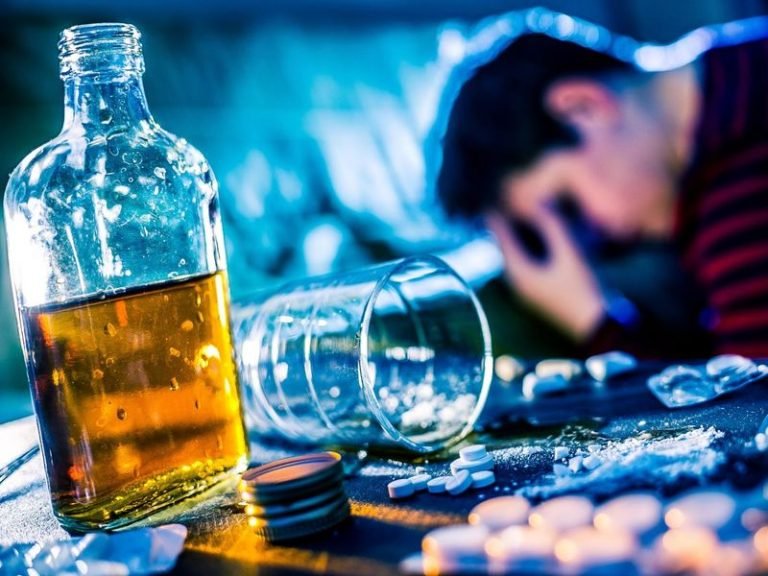
Alcohol is widely used and socially accepted, but heavy or frequent drinking can damage physical and mental health.
- Drinking more than intended or struggling to cut down.
- Impact on work, studies, finances or relationships.
- Sudden stopping after heavy use can be dangerous – medical help is important.

Cannabis can temporarily relax or change perception, but regular heavy use is linked to reduced motivation, memory problems and mental health difficulties in some people.
- Daily or near-daily use.
- Using to cope with stress, sleep or emotions.
- Feeling anxious, paranoid or low when using.

Opioids include painkillers such as codeine and tramadol, as well as heroin. They can cause strong physical dependence.
- Using beyond what is prescribed, or without a prescription.
- Withdrawal symptoms such as muscle aches, sweating and agitation.
- Overdose risk, especially when combined with alcohol or sedatives.

Addiction is a health condition where someone continues to use alcohol or other drugs despite clear harm to health, relationships or responsibilities.
- Cravings and strong urges to use.
- Needing more to get the same effect (tolerance).
- Withdrawal symptoms when cutting down or stopping.

Prescription medicines such as sleeping tablets, sedatives and some painkillers can be misused when taken in higher doses, more often, or without medical advice.
- Relying on tablets to sleep, cope or manage anxiety.
- Taking someone else’s prescription.
- Difficulty cutting down despite side effects.

Stimulants (including cocaine, some amphetamines and khat) increase energy, alertness and confidence for a short time but can strain the heart and mind.
- Using to keep working or socialising.
- "Crashes" in mood and energy after use.
- Anxiety, paranoia or chest pain when using.
Alcohol misuse can gradually develop into alcohol dependence, where a person:
Loses control over drinking
Needs more alcohol to feel the same effect
Experiences cravings or withdrawal symptoms
Alcohol misuse often co-exists with mental health conditions such as depression, anxiety, or psychosis.
- Drinking more than intended or struggling to cut down.
- Impact on work, studies, finances or relationships.
- Sudden stopping after heavy use can be dangerous – medical help is important.

Long-term substance use changes how the brain works, particularly areas related to:
Reward and motivation
Emotional regulation
Decision-making
This can lead to:
Worsening anxiety or depression
Sleep problems
Increased risk of psychosis
Difficulty stopping even when harm is clear
- Daily or near-daily use.
- Using to cope with stress, sleep or emotions.
- Feeling anxious, paranoid or low when using.