What Are Mental Illnesses and Disorders?
Mental illnesses and disorders refer to a wide range of psychological conditions that affect thinking, mood, behaviour, and daily functioning. These can range from common conditions such as anxiety and depression to more complex disorders like psychosis and bipolar disorder. There is support and treatment available within health systems.
Mental Health Conditions
Common Mental Health Conditions
Not all emotional distress is a diagnosable mental illness. People may feel sad, stressed, or emotionally overwhelmed due to life events without meeting clinical criteria for a disorder. Seeking help early can prevent escalation.
A condition marked by persistent sadness, loss of interest, fatigue, and changes in sleep or appetite.
Common signs include:
Feeling low or empty most days
Loss of interest in activities once enjoyed
Difficulty concentrating
Changes in sleep or appetite
Feelings of hopelessness or guilt
Depression can affect children, young people, and adults. Support may include counselling, lifestyle changes, and medical care.
Anxiety becomes a problem when worry or fear is excessive, constant, or interferes with daily life.
May include:
Constant worry or nervousness
Panic attacks
Restlessness or tension
Physical symptoms such as heart racing or shortness of breath
Anxiety disorders are common and highly treatable.
Characterised by swings between manic/hypomanic and depressive episodes.
Bipolar type I involves more severe manic episodes; type II involves milder hypomanic states and depression.
Requires professional diagnosis and often long-term treatment, including mood stabilisers and therapy.
Early, accurate diagnosis helps improve outcomes.
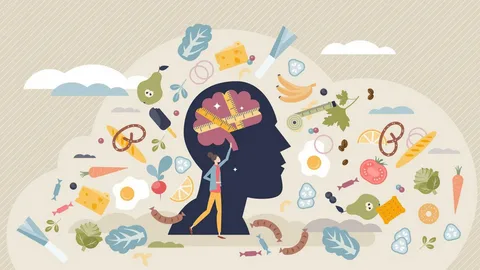
Eating disorders involve unhealthy relationships with food, body image, and weight.
Examples include:
Restricting food intake
Binge eating
Purging behaviors
Early support improves physical and emotional recovery.
OCD involves intrusive, repetitive thoughts (obsessions) and behaviours or rituals (compulsions) carried out to reduce anxiety.
- Excessive washing, checking or arranging.
- Disturbing thoughts that feel out of character.
- Spending a lot of time on rituals each day.
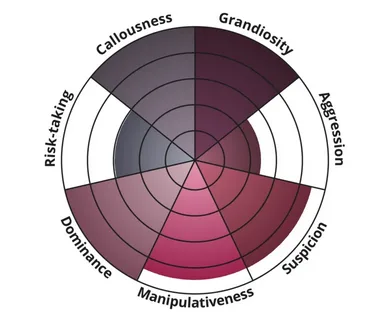
Personality difficulties are long-standing patterns of thinking, feeling and relating that cause distress or problems, especially in relationships.
- Intense emotions that feel hard to manage.
- Fear of abandonment or frequent conflict.
- Often rooted in early experiences and trauma.
Psychosis affects how a person perceives reality.
Possible experiences include:
Hearing or seeing things others do not
Strong beliefs that others find unrealistic
Confusion or disorganised thinking
Psychosis requires urgent professional support, and early treatment greatly improves recovery.
Self-harm is when someone intentionally hurts themselves as a way of coping with emotional pain.
Warning signs may include:
Talking about wanting to die
Withdrawing from family or friends
Expressing hopelessness
Sudden mood changes
👉 Immediate help is critical. Suicidal thoughts are a medical emergency, not a failure.
Trauma is a response to deeply distressing events. Post-traumatic stress disorder (PTSD) can develop when trauma symptoms remain for more than a month.
- Flashbacks, nightmares and intrusive memories.
- Avoiding reminders of the event.
- Feeling constantly on edge or unsafe.
Neuropsychiatric disorders, often referred to as Neuro-Developmental Disorders (NDD), describe differences in how the brain processes information, attention, emotions, and behavior. These differences are not indicators of low intelligence or personal failure. Many individuals with NDD exhibit strengths in areas such as creativity, focus, problem-solving, and originality.
MindGuru offers trusted resources, practical tools, and guidance to help individuals and families understand these differences and navigate appropriate support pathways.
Please note, MindGuru does not provide medical diagnoses. Instead, we empower you to identify areas where support might be useful and guide you on when professional care may be necessary.
Understand NDD
What are Neuropsychiatric Disorders?
Neuropsychiatric disorders impact how a person:
Focuses and sustains attention.
Processes sensory information.
Regulates emotions.
Plans, organizes, and adapts to change.
These differences are generally present from childhood and may continue into adulthood, although they can manifest differently across various life stages.
Myths vs. Facts
Myth: NDD is caused by poor parenting or laziness.
Fact: NDD reflects neurological differences in brain development.
Myth: Individuals with NDD cannot succeed.
Fact: Many individuals with NDD thrive in education, work, and leadership with the right support and understanding.
MindGuru
Screening for NPF Traits
Many people recognize traits of NPF in themselves or their children long before a formal assessment. Screening tools can assist in reflecting on experiences and deciding if professional advice is necessary.
ADHD Screening
Common Experiences:
Difficulty sustaining attention.
Forgetfulness or disorganization.
Impulsive behavior.
Mental restlessness.
Important: ADHD manifests differently in different individuals, with some struggling mainly with attention, others with hyperactivity, and many with both.
Screening Output: Your responses suggest traits related to ADHD. This does not confirm an ADHD diagnosis, but may indicate the need for structured support or professional advice.
Autism Screening
Common Experiences:
Difficulty reading social cues.
Preference for routines.
Sensitivity to noise, light, or touch.
Strong focus on specific interests.
Strengths Often Include:
Attention to detail.
Honesty and reliability.
Strong memory or analytical skills.
Tics Screening
Common Experiences:
Repeated movements or sounds (tics).
Difficulty suppressing tics.
Increased tics during stress.
Tics often fluctuate and may decrease over time.
Daily Life & Coping Strategies
Whether or not a formal diagnosis is made, many people benefit from practical strategies that improve daily functioning:
Focus & Attention:
Break tasks into smaller, manageable steps.
Use timers and reminders to stay on track.
Emotional Regulation:
Identify emotions early.
Practice grounding techniques or deep breathing.
Sensory Regulation:
Adjust lighting, noise, and clothing for comfort.
Schedule time for recovery to avoid sensory overload.
What Does an Assessment Involve?
A neuropsychiatric assessment can help clarify whether difficulties are related to ADHD, autism, or another condition. The assessment may include:
Interviews.
Questionnaires.
Observation.
Review of developmental history.
Assessment Pathway:
Concern → Screening → Referral → Assessment → Feedback → Support Plan
Supporting Individuals with NDD
Understanding these differences leads to better outcomes. Support includes:
Clear communication with individuals.
Predictable routines.
Reasonable accommodations at school or work.
Reducing blame and conflict in family dynamics.
Children and adults alike thrive when those around them understand why certain behaviors occur.
Individualized Support for NDD
Support for NDD is personalized and may include:
Psychoeducation and awareness programs.
Skills training and life coaching.
Behavioral or cognitive therapies.
Medication, if appropriate, and based on individual needs.
There is no one-size-fits-all treatment for NDD.
Get Help
When to Seek Professional Help
Consider seeking professional help if:
Daily life feels overwhelming.
School or work performance is affected.
Emotional distress or behavior issues are increasing.
MindGuru helps you understand the next steps and connect to the right services for support.